
Why Auto Repair Shops Are Crucial to Modern Economies
Modern transportation systems rely on a constant balance between mobility, maintenance, and economic activity. Personal vehicles are no longer a luxury in most regions; they are a necessity that supports commuting, commerce, and access to essential services. As households increasingly depend on their vehicles for daily life, the demand for reliable repair and maintenance services has become a structural component of economic stability.
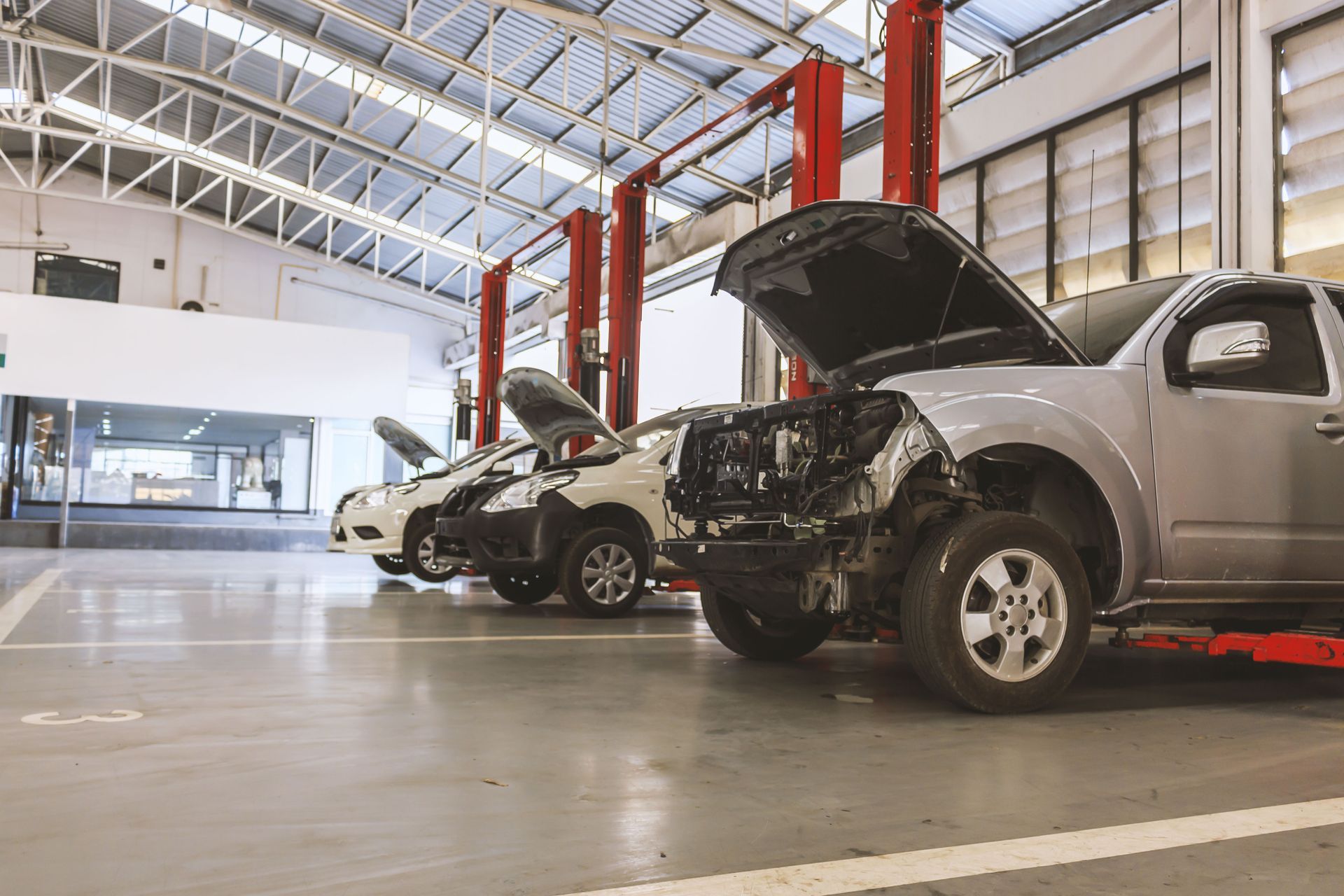
In this context, auto repair shops play a foundational role in keeping vehicles operational and extending their usable life. They are not simply service providers reacting to breakdowns; they function as stabilizing institutions that keep transportation networks functional and predictable. When vehicles are properly maintained, individuals remain employed, goods continue to move efficiently, and local economies experience fewer disruptions.
The importance of an auto repair shop has grown in parallel with the increasing complexity and longevity of modern vehicles. Consumers are holding onto their cars longer, which naturally increases the need for ongoing maintenance and corrective repairs. As a result, repair services have become deeply embedded in the economic fabric of communities, influencing everything from household budgets to commercial logistics.
Across urban and rural regions alike, an auto repair shop also serves as an access point for technical knowledge and mechanical intervention that most vehicle owners cannot perform themselves. This dependency highlights their broader economic relevance beyond simple repair work.
Economic Dependence on Vehicle Reliability
Transportation as a Backbone of Productivity
Transportation is one of the most direct contributors to economic output, and personal vehicles are a critical part of that system. Workers rely on consistent access to transportation to maintain employment, attend training, and support daily business operations. When a vehicle fails unexpectedly, the ripple effects often extend far beyond the individual, affecting employers, clients, and service networks.
In this environment, auto repair shops serve as a corrective mechanism that restores mobility and minimizes downtime. By addressing mechanical failures efficiently, they help ensure that transportation interruptions do not escalate into prolonged economic setbacks. This stabilizing effect is particularly important in areas where public transit options are limited or impractical.
Maintenance Cycles and Economic Continuity
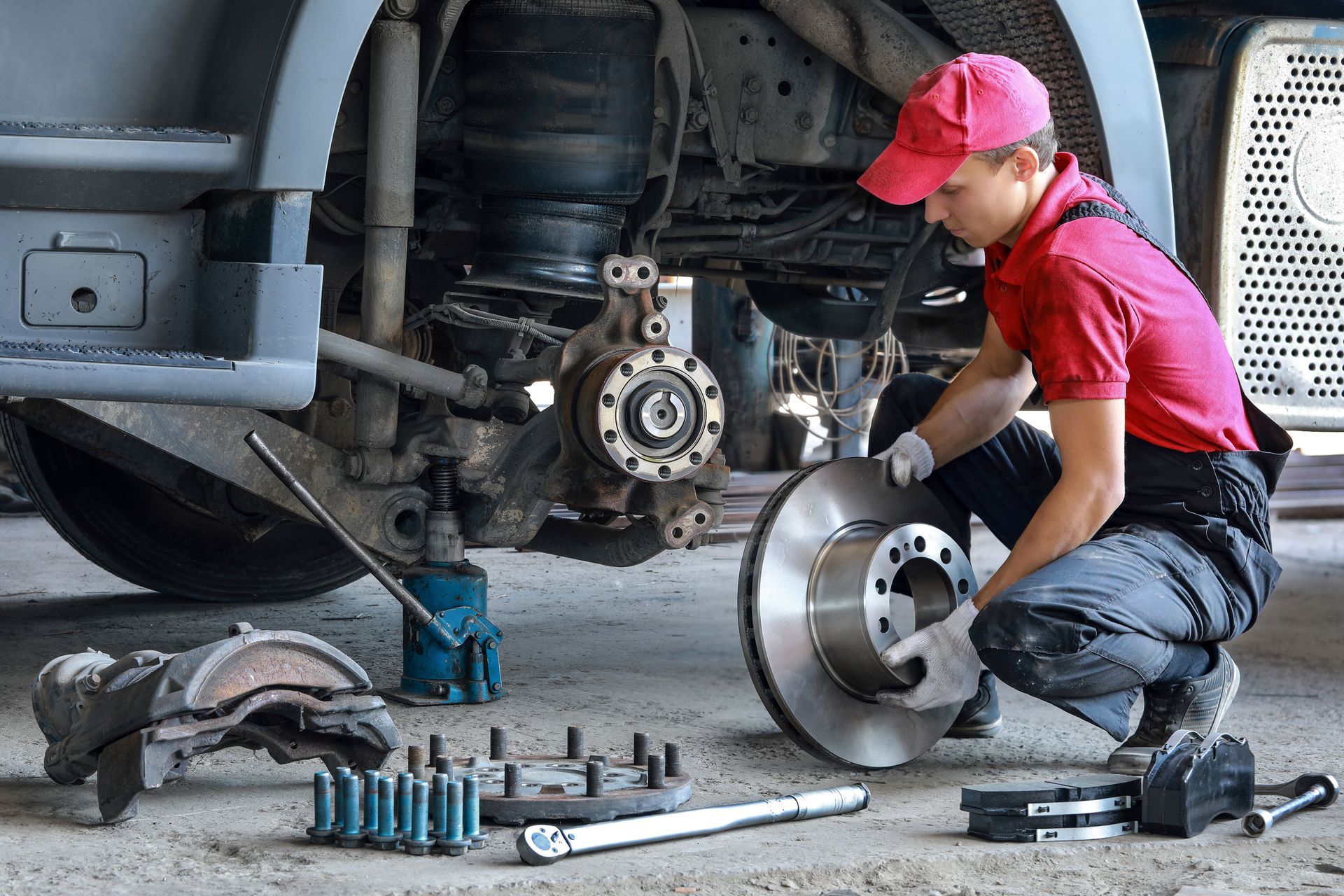
Routine maintenance cycles are essential for preventing breakdowns that could otherwise disrupt productivity. Services such as brake inspections, fluid replacements, and system diagnostics ensure that vehicles remain reliable over time. Without consistent maintenance, the probability of failure increases, leading to unplanned expenses and lost working hours.
An auto repair shop contributes to economic continuity by providing structured maintenance schedules that help vehicle owners anticipate costs rather than react to emergencies. This predictability supports household financial planning and reduces the volatility associated with vehicle ownership.
Infrastructure Support Through Local Services
Local economies benefit significantly from the presence of repair facilities that can respond quickly to vehicle issues. These businesses reduce the need for long-distance towing or travel to distant service centers, which can compound both cost and downtime.
Auto repair shops also act as localized infrastructure support systems, ensuring that vehicles remain functional within the communities they serve. This localized presence strengthens economic resilience by reducing dependency on external service networks.
Used Vehicle Longevity and Cost Efficiency
Extending Usable Life of Modern Vehicles
Vehicle longevity has become a defining feature of the modern automotive landscape. According to S&P Global Mobility, the average age of light vehicles in the United States reached 12.8 years in 2025, marking a historic high. This extended lifespan reflects both improved manufacturing quality and increased reliance on maintenance and repair services to keep vehicles operational for longer periods.
As vehicles age, their need for specialized attention increases, creating sustained demand for auto repair shops. These businesses play a central role in extending vehicle usability by addressing wear-and-tear issues that naturally develop over time.
Cost Management and Repair Versus Replacement Decisions
For most consumers, maintaining an existing vehicle is significantly more cost-effective than purchasing a new one. Repair services allow owners to distribute costs over time rather than absorbing a large upfront replacement expense. This financial flexibility is especially important in households where transportation is essential, but budgets are constrained.
An auto repair shop provides diagnostic expertise that helps vehicle owners make informed decisions about whether to repair or replace components. This advisory role contributes to more efficient capital allocation at both the household and community levels.
System Interdependence and Preventive Intervention
Modern vehicles are composed of interconnected systems, meaning that one mechanical issue can influence multiple performance areas. A failing alternator, for example, can impact charging systems and electronic stability, while worn suspension components can indirectly affect braking performance.
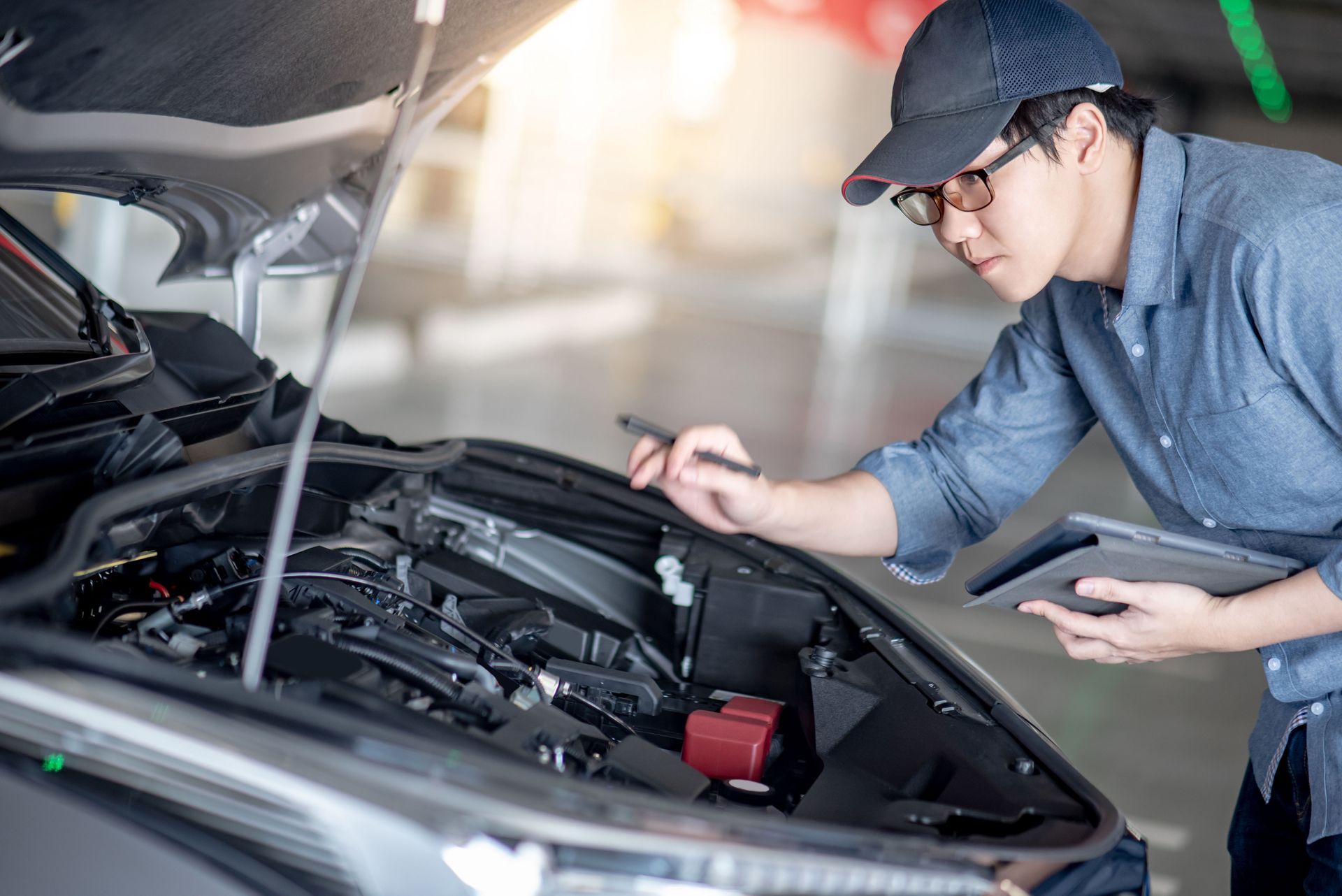
An auto repair shop addresses this complexity through comprehensive inspection processes that identify root causes rather than isolated symptoms. This approach reduces the likelihood of recurring failures and improves long-term vehicle reliability.
Consistent Employment, Safety, and Community Stability
Workforce Development and Skilled Labor Demand
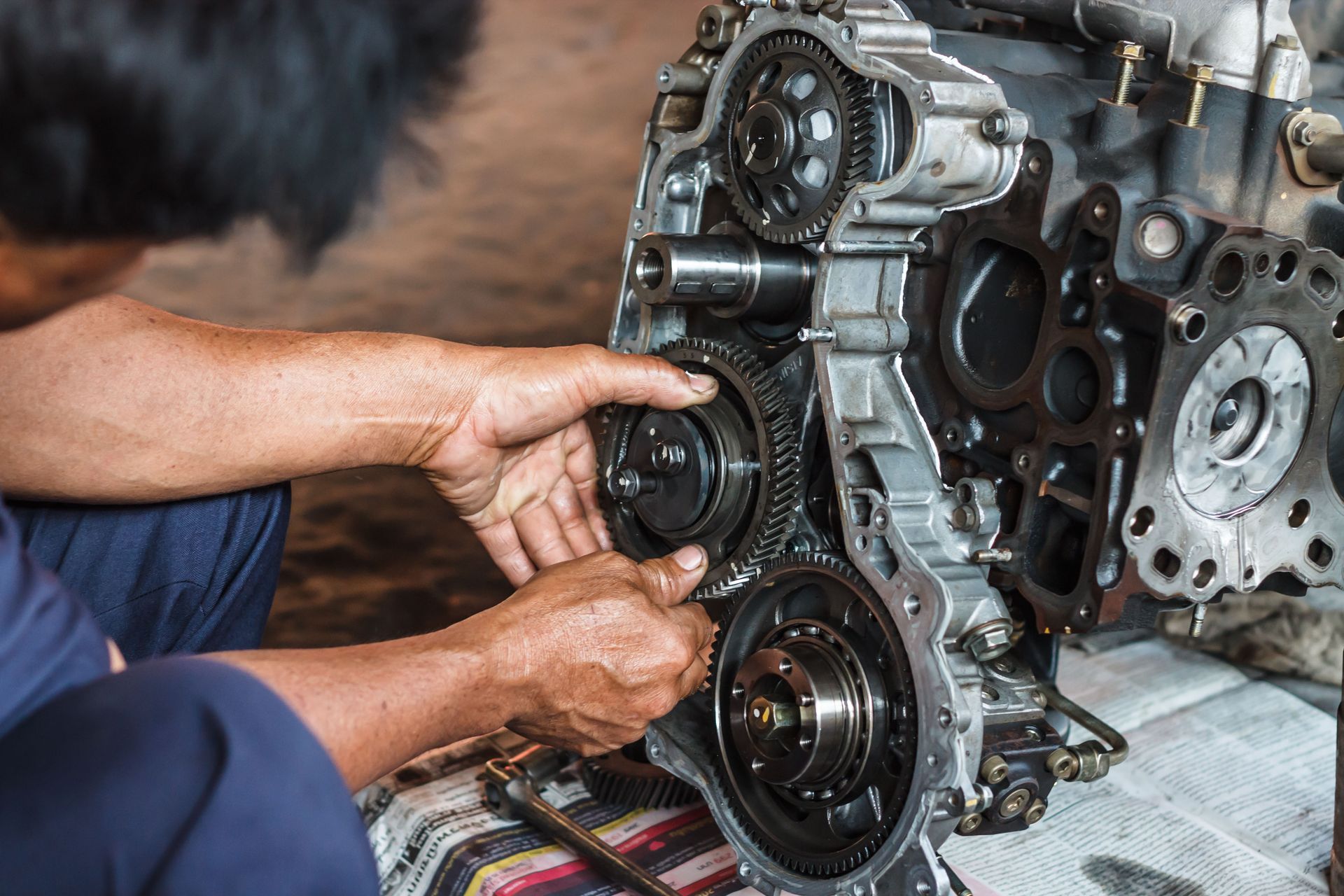
The automotive repair industry depends heavily on skilled labor, including technicians trained in diagnostics, mechanical systems, and component repair. This creates a consistent demand for specialized employment opportunities that are less susceptible to automation or outsourcing compared to other service sectors.
Auto repair shops, therefore, function as employment hubs, supporting both entry-level and experienced workers. These roles often provide stable career paths with opportunities for advancement, contributing to workforce development within local economies.
Safety Assurance and Risk Reduction
Vehicle safety is directly tied to the quality of maintenance and repair work performed over time. Critical systems such as brakes, steering, and suspension require regular inspection to ensure safe operation. Failures in these systems can lead to severe accidents and significant economic consequences.
Auto repair shops play a preventative safety role by identifying risks before they escalate into hazardous conditions. This includes diagnosing worn components, addressing fluid leaks, and ensuring that braking systems function within safe operational standards. Their work reduces accident rates and helps protect both drivers and the broader public infrastructure.
Community-Level Economic Stability
At a broader level, reliable transportation supports community stability by enabling consistent access to employment centers, schools, healthcare, and commercial activity. When vehicles remain operational, local economies experience fewer disruptions in labor participation and consumer activity.
An auto repair shop contributes to this stability by ensuring that transportation remains dependable. Their services help maintain continuity in daily life, reducing the economic strain that can arise from widespread vehicle downtime.
The role of auto repair shops in modern economies extends far beyond mechanical repair work. They are essential infrastructure components that support mobility, employment, and financial stability across communities. As vehicles continue to age and remain in service longer, the demand for reliable maintenance and repair services will remain a central feature of economic life.
By keeping transportation systems functional, these businesses help ensure that individuals can continue working, businesses can operate efficiently, and communities can maintain access to essential services. Their impact is both immediate and long-term, influencing everything from household budgeting to regional productivity.
In a transportation-dependent society, the presence of skilled repair services is not optional; it is foundational. Auto repair shops sustain the practical conditions that allow economies to function smoothly, reinforcing the importance of dependable vehicle care in everyday life. Their continued presence ensures that economic activity remains uninterrupted even as vehicles grow older and more complex to maintain. Are you looking for an expert auto repair shop you can count on to maintain your vehicle? Reach out to HDS Automotive today!
Share On: