Why Regular Maintenance Is Better Than Costly Auto Repair
Regular vehicle maintenance is an important part of keeping a car dependable, efficient, and safe over the long term. Small maintenance tasks can help drivers identify developing problems before they become more complicated and expensive. Oil changes, tire inspections, brake checks, fluid services, and other routine procedures also help major vehicle systems operate as intended. Rather than waiting until a warning light, unusual noise, or breakdown demands attention, drivers can use preventative care to reduce the likelihood of unexpected problems. A consistent approach to maintenance can ultimately minimize the need for extensive auto repair while supporting better performance and reliability.
Understanding the Financial Benefits of Preventative Maintenance
Routine maintenance generally involves predictable expenses that are easier to incorporate into a household budget than an unexpected mechanical failure. Services such as oil changes, tire rotations, filter replacements, and fluid inspections allow drivers to address ordinary wear before it contributes to larger problems. Neglecting these relatively minor services can cause individual components to deteriorate and place additional stress on connected systems. When several components are affected, the resulting auto repair can become considerably more involved than the maintenance that could have helped prevent the problem.
Keeping detailed maintenance records can also provide useful information about a vehicle's history. Drivers can review previous services to determine when particular components were inspected or replaced, making future maintenance easier to plan. These records may also be valuable when selling a vehicle because prospective buyers can see evidence of consistent care. A documented maintenance history does not guarantee that a vehicle will remain problem-free, but it can demonstrate that the owner has taken reasonable steps to preserve its condition.
Extending the Useful Life of a Vehicle
Every vehicle experiences wear as mileage accumulates, but consistent maintenance can help manage that wear. Engine oil gradually becomes contaminated, tires lose tread, brake components wear down, and fluids may deteriorate or decrease over time. Following the manufacturer's recommended maintenance schedule gives drivers an organized way to monitor these changes. Addressing wear at appropriate intervals can protect important mechanical systems and reduce unnecessary strain on components that are expected to last for many years.
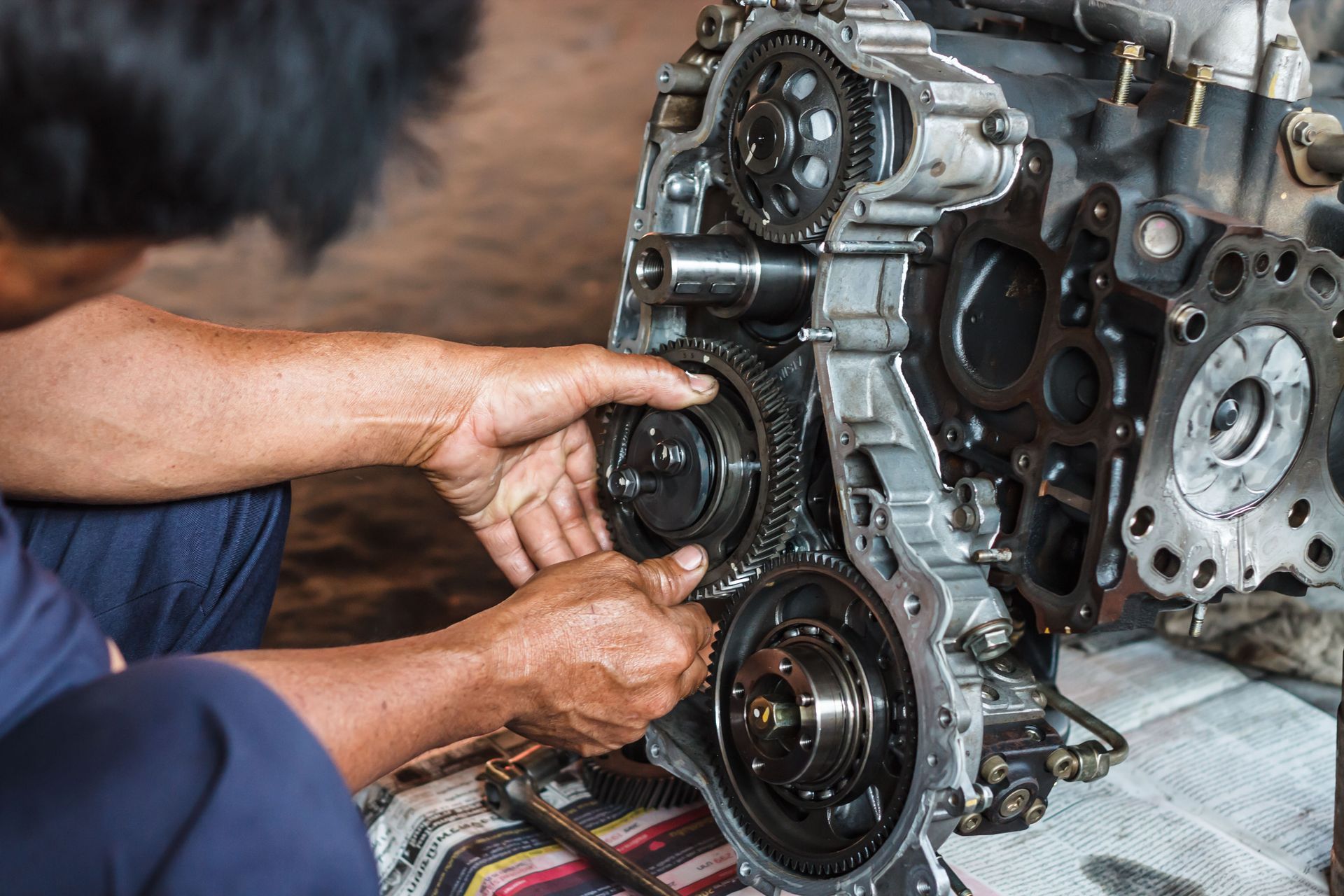
Engine maintenance is especially important because numerous systems depend on proper engine operation. Timely oil changes provide lubrication that helps reduce friction between moving components, while clean air filters support proper airflow. Spark plugs, belts, hoses, and cooling system components may also require inspection or replacement at specific intervals. Ignoring these areas can contribute to poor performance or mechanical damage. Preventative attention can reduce the possibility that drivers will eventually require extensive auto repair because a relatively manageable maintenance issue was allowed to worsen.
Maintaining Brakes, Tires, and Vehicle Safety
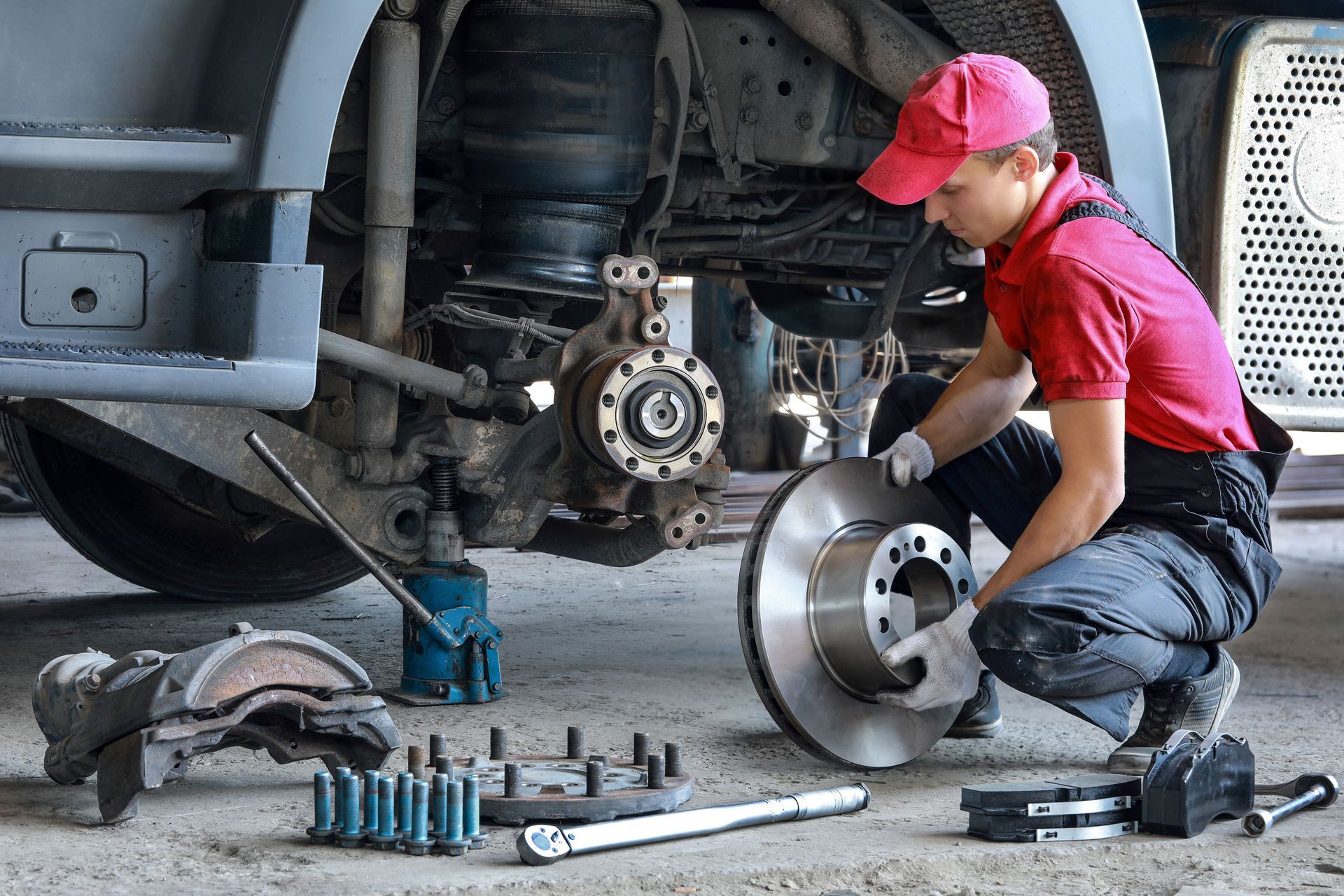
Maintenance is also closely connected to everyday driving safety. Brake pads, rotors, and brake fluid should be inspected periodically because these components experience normal wear whenever the vehicle is driven. Drivers may notice warning signs such as squealing, grinding, vibration, or changes in braking response. Having these symptoms evaluated promptly can help determine whether maintenance or repairs are necessary before braking performance deteriorates further.
Tires deserve similar attention because they are the vehicle's direct point of contact with the road. Proper inflation, sufficient tread depth, regular rotations, and appropriate wheel alignment contribute to predictable handling. Uneven tire wear may also provide an early indication of alignment or suspension problems. Checking tires routinely gives drivers an opportunity to correct minor concerns before they affect additional components. Prompt attention may prevent a more complicated auto repair involving the steering or suspension system.
Monitoring Fluids, Lights, and Other Essential Systems
Several vehicle fluids perform essential jobs under demanding operating conditions. Engine coolant helps regulate temperature, brake fluid supports braking performance, transmission fluid lubricates transmission components, and power steering fluid serves applicable steering systems. Fluid levels, condition, and service intervals vary by vehicle, so owners should consult the manufacturer's recommendations. According to AAA, if your vehicle’s joints aren’t sealed, you should follow the owner's manual and ensure the chassis and steering systems are lubricated every six months. This type of routine lubrication can help moving components operate properly and complements other preventative maintenance practices. Leaks should also be investigated because repeatedly adding fluid without determining why the level is dropping may allow an underlying mechanical issue to continue.
Drivers should periodically inspect headlights, brake lights, turn signals, and other exterior lighting as well. Functional lights improve visibility and allow motorists to communicate their intentions to surrounding traffic. Windshield wipers, batteries, belts, hoses, and filters can also be incorporated into routine inspections. Paying attention to several small vehicle systems creates opportunities to identify deterioration early rather than discovering a problem after it interferes with normal transportation.
Improving Fuel Efficiency and Vehicle Performance
A properly maintained vehicle can operate more efficiently because its systems are better able to function within their intended specifications. Correct tire pressure reduces unnecessary rolling resistance, while clean filters can support appropriate airflow. Engine maintenance may also help preserve consistent performance and fuel economy. Actual fuel consumption depends on many factors, including driving habits, traffic, weather, vehicle design, and road conditions, but maintenance helps eliminate preventable mechanical factors that can reduce efficiency.
Changes in performance should not automatically be dismissed as normal aging. Reduced fuel economy, hesitation, unusual sounds, vibrations, or changes in handling may indicate that a component needs attention. Scheduling an inspection when symptoms first appear can provide technicians with an opportunity to diagnose the source. Early diagnosis may keep a relatively straightforward auto repair from developing into a more extensive problem affecting multiple systems.
Reducing Environmental Effects Through Consistent Care
Vehicle maintenance can also contribute to more responsible resource use. Maintaining proper tire pressure and engine performance can support efficient fuel consumption, while addressing mechanical problems may help prevent unnecessary emissions. Where emissions inspections are required, keeping engine and exhaust-related systems in appropriate working condition can also help owners prepare for testing. Warning lights associated with emissions or engine performance should be evaluated rather than ignored.
Responsible handling of automotive waste is another important consideration. Used motor oil, coolant, batteries, tires, and other vehicle materials require appropriate disposal or recycling. Professional service facilities typically have procedures for managing these materials in accordance with applicable requirements. Extending the service life of usable vehicle components through proper maintenance may also reduce premature replacement and the waste associated with frequently discarded parts.
Preventing Breakdowns and Everyday Disruptions
Mechanical problems can create inconvenience even when they do not immediately present a safety concern. A vehicle that fails to start or breaks down unexpectedly can interfere with work, appointments, school schedules, and travel plans. Preventative maintenance cannot eliminate every possibility of a breakdown, but it gives drivers more opportunities to discover worn or failing components during scheduled visits rather than during an emergency.
Battery inspections, cooling system checks, tire evaluations, and other preventative services can be particularly useful before long trips or periods of demanding driving. Drivers who notice warning lights, leaks, unusual odors, or changes in performance should arrange an inspection rather than simply waiting for the next scheduled service. Addressing symptoms promptly can reduce the possibility of an unexpected auto repair disrupting daily transportation.
Preventative maintenance is an ongoing responsibility rather than a single service appointment. Keeping records, planning service intervals, performing basic inspections, and consulting qualified professionals when necessary can make vehicle ownership more predictable. No maintenance routine can prevent every mechanical failure, but consistent care can reduce avoidable problems and provide earlier opportunities for intervention. By making maintenance a regular priority, drivers can limit the likelihood of costly auto repair and help their vehicles remain dependable for years to come. Contact our team at HDS Automotive today and learn more about our auto repair services.
Share On: