
6 Warning Signs Your Brakes Are About to Fail
Your vehicle is a complex machine built for performance and reliability, but no system is more vital to your safety on the road than your braking system. We understand that maintaining your car isn't just about keeping it running; it’s about ensuring you and your family arrive at your destination safely every single time. Many drivers tend to ignore the subtle cues their vehicle provides until a minor issue transforms into an expensive or dangerous emergency. According to WifiTalents, women are the primary decision-makers or hold significant influence in 85% of all automotive maintenance and repair choices. This statistic highlights the importance of clear communication and reliable service, as the modern driver is more informed and proactive than ever before.
1. High-Pitched Squealing Sounds
One of the most common indicators that your vehicle requires professional attention is a persistent, high-pitched screeching sound whenever you apply pressure to the pedal. Most modern brake pads are engineered with a small metal shim known as a wear indicator. When the friction material on the pad wears down to a specific thickness, this metal piece makes contact with the rotor to create a piercing sound. This isn't a fluke or a random noise; it's a literal alarm clock telling you that your brakes need a replacement soon.
Ignoring this sound will eventually lead to the metal shim grinding deeper into the rotor, which turns a simple pad replacement into a much more costly repair. If you notice this sound disappearing when you aren't braking but returning the moment you slow down, it's time to visit the shop.
2. Unusual Vibrations
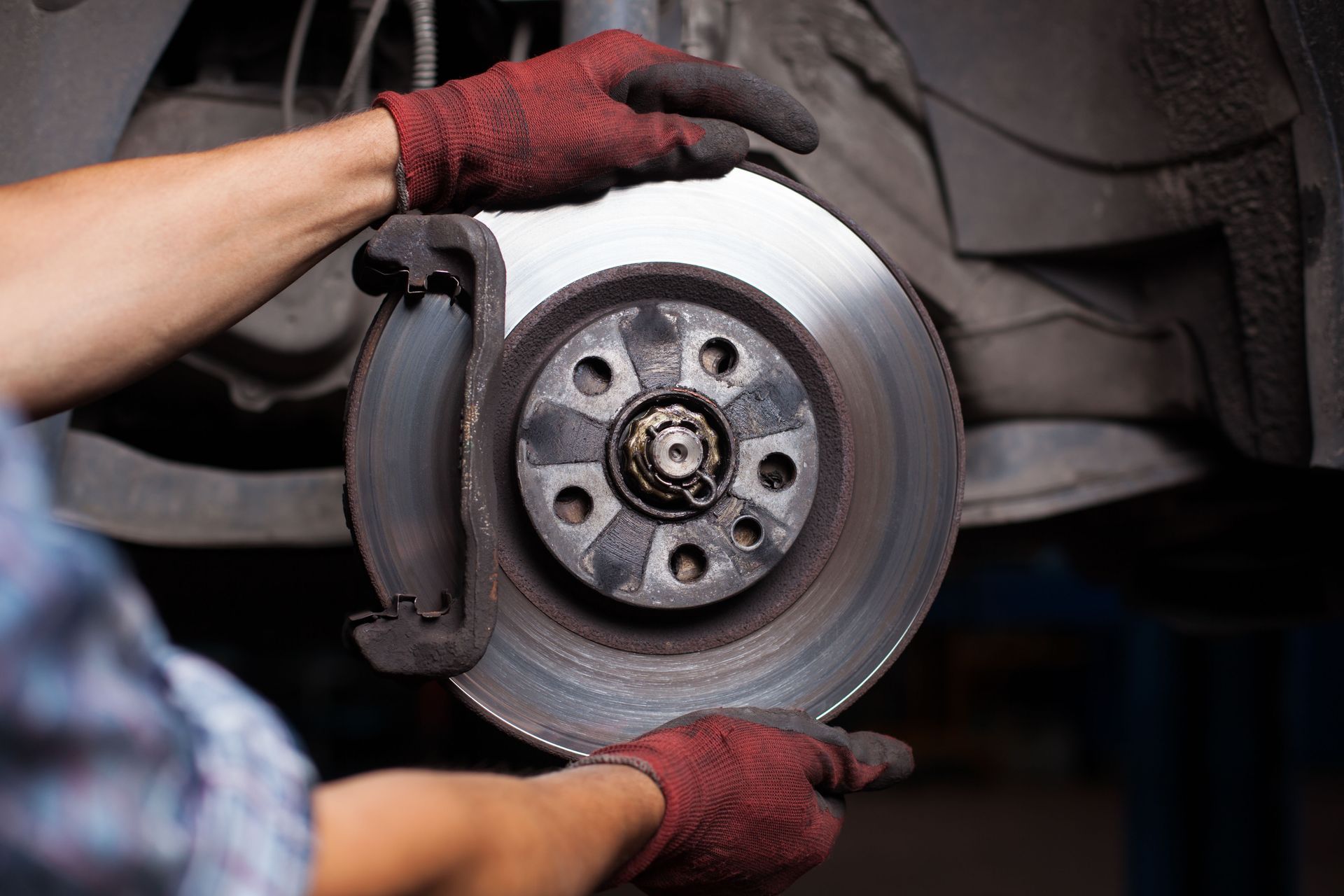
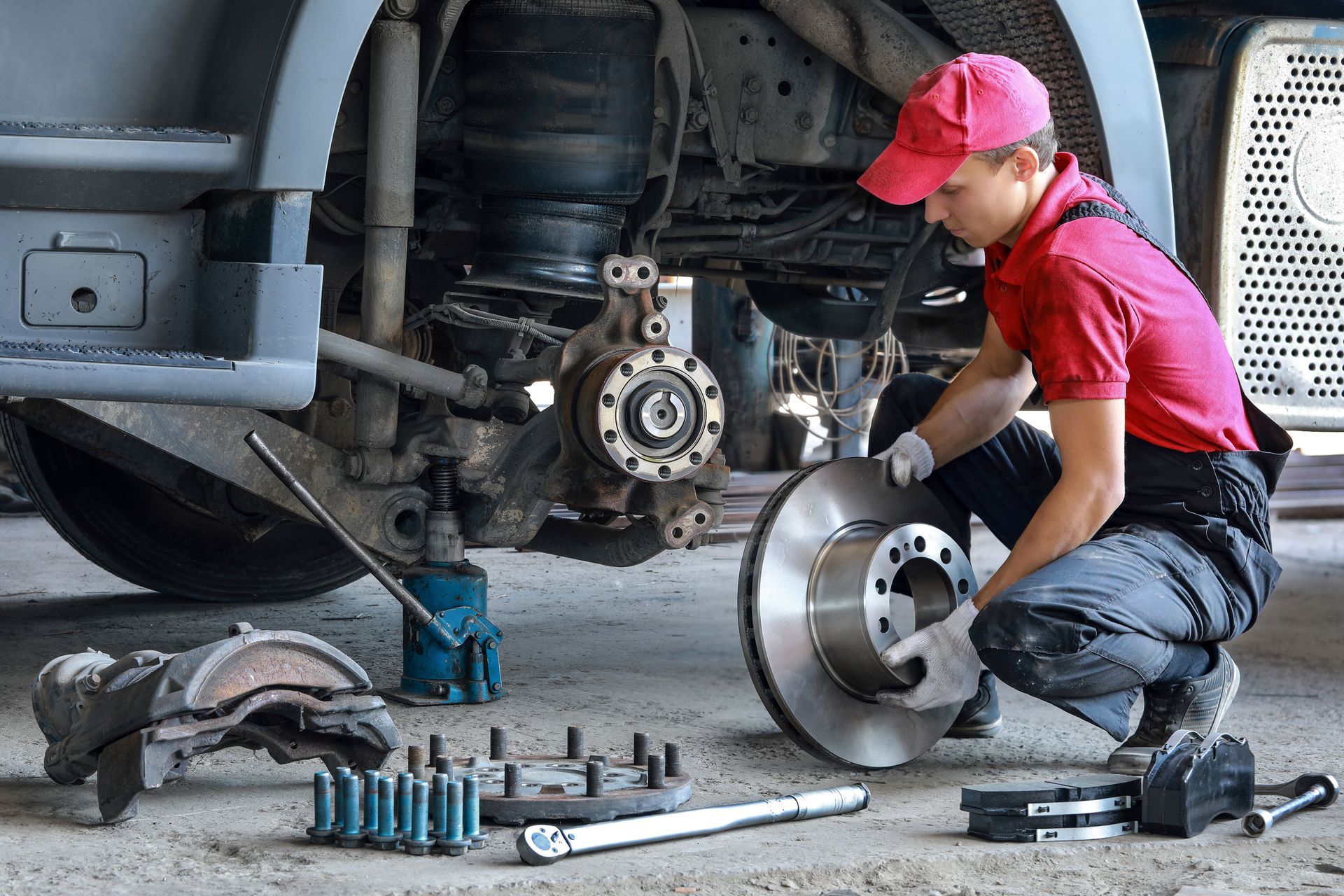
If you feel a pulsating sensation through the steering wheel or the brake pedal when you're trying to slow down, your vehicle is trying to tell you that something is physically uneven. This vibration is usually a sign of warped rotors. Rotors are the large metal discs that the pads grip to stop your wheels from spinning. Over time, the intense heat generated by friction can cause these metal discs to thin out or become unevenly worn. When the surface isn't perfectly flat, the pads bounce off the high spots, sending a rhythmic vibration back through the mechanical system and into your foot.
This shaking doesn't just feel uncomfortable; it actually reduces the surface area contact between the pads and the rotors, which compromises your ability to stop quickly in an emergency. Maintaining smooth rotors is essential for a balanced ride and consistent performance. When your brakes start to thrum and vibrate, it's an objective sign that the metal components have reached their thermal limit and require resurfacing or replacement.
3. Vehicle Pulling Sideways
A car should always maintain a straight line when you're slowing down, regardless of the speed. If you find yourself fighting the steering wheel because the car wants to veer toward the left or the right during deceleration, you likely have a caliper issue. This pulling sensation often indicates that one side of the braking system is exerting more pressure than the other. This could be caused by a stuck caliper piston, a collapsed brake hose, or uneven wear on the pads themselves. When one side grips harder, it creates a pivot point that drags the vehicle in that direction.
This is a significant safety concern because it forces the driver to overcompensate with the steering, which can be dangerous on wet or icy roads. Because your brakes are designed to work in perfect symmetry, any deviation in direction suggests a hydraulic or mechanical imbalance that needs to be diagnosed by a professional technician who understands the nuances of force distribution.
4. Soft or Spongy Pedal
The feeling of the pedal under your foot should be firm and responsive. If you notice that you have to push the pedal nearly all the way to the floorboard to get the car to stop, or if it feels "squishy" like you're stepping on a marshmallow, you're likely dealing with a hydraulic problem. This sensation often points to air bubbles in the brake lines or a leak in the master cylinder. Since liquid doesn't compress but air does, any air in the system will absorb the force you apply rather than transferring it to the wheels.
This is a critical warning sign because it suggests that your brakes might fail completely if the pressure continues to drop. Furthermore, moisture can sometimes enter the system and contaminate the fluid, lowering its boiling point and causing the pedal to feel soft during heavy use. Keeping the hydraulic system sealed and the fluid fresh is the only way to ensure that the physical pressure you apply results in an immediate and reliable stop.
5. Smell A Burned Metallic Odor
A sharp, chemical, or metallic burning smell after a period of heavy braking is a red flag that should never be ignored. This scent usually indicates that the pads or the clutch are overheating. If you're driving down a steep hill or sitting in stop-and-go traffic and you start to smell something akin to burning carpet, your system is reaching a point of "brake fade."
In some cases, a seized caliper can cause the pads to remain pressed against the rotor even when you aren't touching the pedal, leading to extreme heat buildup and potential smoke. If you ever see smoke or smell an intense burning odor, it's best to pull over safely and let the system cool down. Overheated brakes can lead to total component failure or even a fire if the fluid reaches its ignition point, making this one of the most urgent signs of trouble.
6. See Visible Thinness on the Pads
Sometimes the best way to check the health of your vehicle is with a simple visual inspection through the spokes of your wheels. If you look closely at the circular metal rotor, you can usually see the brake pad clamped against it. A healthy pad should be at least a quarter-inch thick. If the friction material looks significantly thinner than that, or if it appears to be disappearing entirely, you're running on borrowed time. Driving with excessively thin pads puts immense stress on the rest of the braking assembly and significantly increases your stopping distance.
Many drivers don't realize that as the material thins, the heat dissipation qualities of the pad decrease, leading to faster wear on the rotors. By keeping an eye on the physical thickness of the pads, you can catch wear before it causes secondary damage. Regularly checking your brakes visually is a great habit for any car owner who wants to stay ahead of the maintenance curve and avoid the "metal-on-metal" grinding that signals a much more expensive repair job.
Maintaining your vehicle is about more than just oil changes and tire rotations; it's about the peace of mind that comes from knowing your car will stop exactly when you need it to. From the squeals of a wear indicator to the vibrations of a warped rotor, your vehicle provides numerous clues when it's struggling. Being a responsible owner means listening to these signs and taking action before a minor annoyance becomes a major safety hazard. We're here to help you decipher what your car is trying to tell you and to ensure that every component is in top condition. If you notice any of these symptoms, please schedule your professional inspection at HDS Automotive today.
Share On: