How Auto Mechanics Handle Common Engine Problems
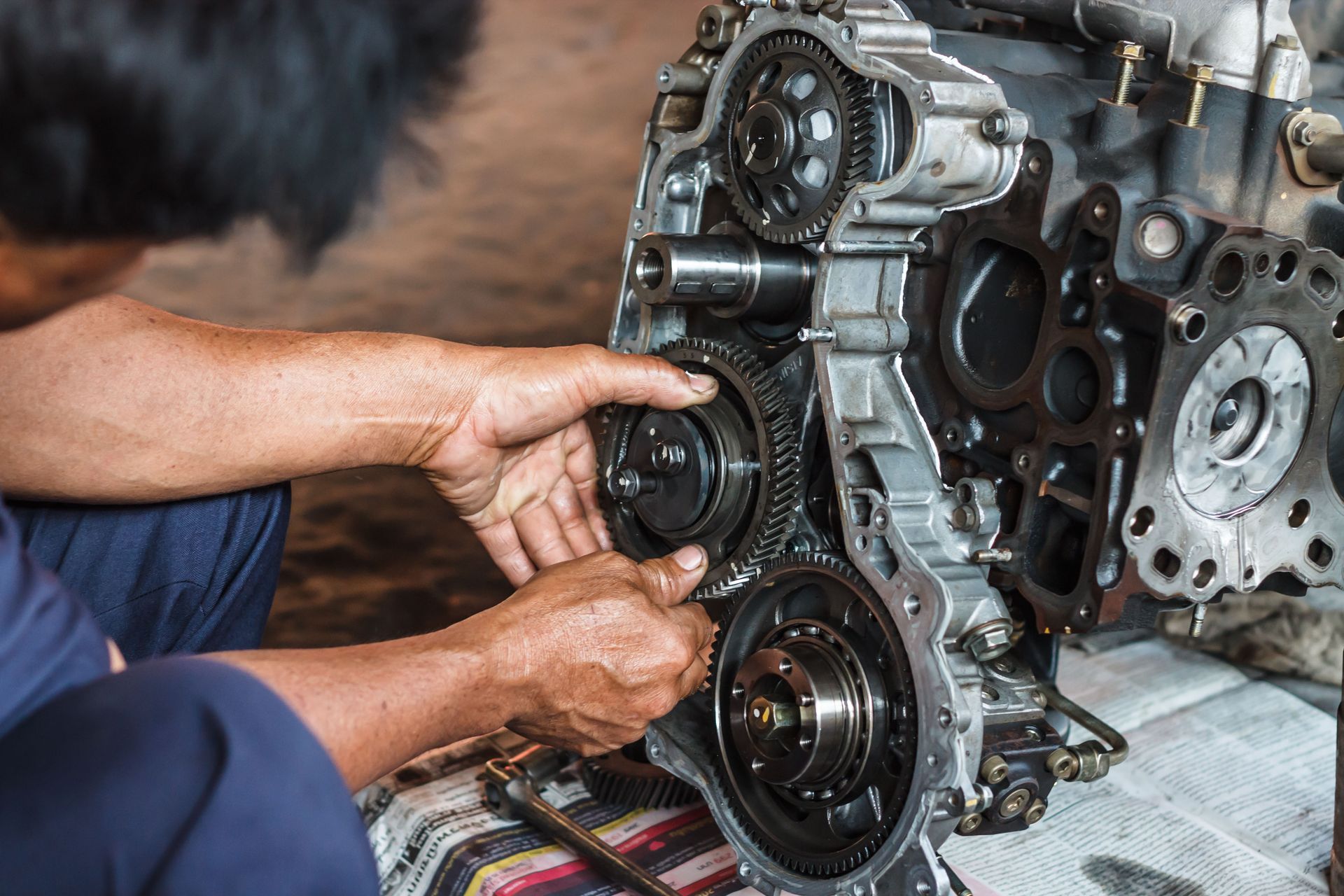
The functionality and lifespan of an automobile depend heavily on the health of its engine. Recognizing subtle performance changes, strange noises, or dashboard alerts can save car owners from catastrophic breakdowns. Experienced auto mechanics handle these challenges daily, using their expertise to pinpoint underlying mechanical issues quickly. Modern vehicle systems require a combination of traditional mechanical knowledge and advanced technology to repair correctly. Professional technicians bridge this gap by interpreting complex system data and performing precision adjustments. When drivers invest in routine care, they protect their vehicles from unexpected malfunctions.
Utilize Modern Vehicle Diagnostic Systems
Modern vehicles rely on sophisticated onboard computer systems to monitor operational health and efficiency continuously. When a component fails or functions outside parameters, the computer generates a specific trouble code. Competent auto mechanics connect specialized scanning tools to the vehicle to read these digital signatures. This initial step identifies the exact system requiring immediate attention.
Digital scanning equipment transforms the repair process by providing real-time data streams from various engine sensors. These tools allow technicians to monitor fuel trim, ignition timing, and emissions performance while the engine runs. Accessing live information helps rule out secondary issues that mimic major failures. Technology enhances accuracy, minimizing the troubleshooting time required to find root causes.
Interpreting these electronic trouble codes requires extensive training and a deep understanding of automotive electrical networks. A single warning light can indicate several interconnected problems, from a loose gas cap to a failing sensor. Skilled auto mechanics analyze these data points carefully to prevent unnecessary part replacements. This systematic evaluation ensures that every computerized repair is accurate.
Conduct Comprehensive Physical Vehicle Inspections
Computer diagnostics offer excellent data, but physical evaluations remain an essential part of the repair process. Technicians must visually inspect the engine bay to detect physical wear that computers cannot sense. This includes searching for cracked belts, frayed wiring, and worn hoses that threaten engine integrity. Finding these defects early prevents minor wear from turning into emergencies.
Driver loyalty often relies on pricing, and according to C-4 Analytics, 43% of automotive consumers stated they would switch brands to find more affordable vehicle options or repair services. This budget-conscious reality drives many vehicle owners to seek out shops that offer transparent upfront pricing. Experienced technicians balance this need by identifying affordable, preventative adjustments during regular shop visits.
Combining technological data with meticulous visual assessments creates a complete profile of a vehicle's current condition. This dual approach allows technicians to create proactive maintenance plans tailored to specific driving habits. Car owners receive a clear, honest overview of what needs immediate repair versus what can wait. Regular physical checkups ensure hidden mechanical wear is addressed promptly.
Repair Damaged Engine Fuel Pumps
The fuel pump is responsible for delivering a steady stream of fuel from the gas tank to the engine cylinders. When a fuel pump begins to fail, the engine suffers from restricted fuel delivery, causing performance drops. Drivers usually notice symptoms like hard starting, violent engine sputtering, or sudden stalling. Professional auto mechanics diagnose these symptoms using physical pressure gauges.
Low pressure readings confirm that the pump is no longer capable of meeting engine combustion requirements. Technicians also test the electrical circuits powering the pump to rule out blown fuses or damaged relays. If the pump itself is defective, removing the fuel tank is necessary to replace the unit safely. High-quality replacements restore proper fuel flow instantly.
Addressing a weak fuel pump early protects other engine systems from running dangerously lean, which causes internal damage. Maintaining a healthy fuel delivery system ensures consistent throttle response and dependable vehicle operation under heavy loads. Trusting this repair to qualified professionals guarantees that high-pressure fuel lines are sealed correctly, eliminating dangerous leaks and keeping your vehicle dependable.
Clean Clogged Mechanical Fuel Injectors
Fuel injectors spray a fine mist of fuel into the combustion chamber to mix perfectly with incoming air. Over time, carbon deposits and microscopic debris can accumulate on injector nozzles, disrupting this precise spray pattern. Clogged injectors cause uneven combustion, resulting in a rough idle, reduced fuel efficiency, and sluggish response. Specialized auto mechanics utilize professional chemical cleaning systems.
If chemical flushing fails to restore the correct spray pattern, technicians must remove the injectors for advanced ultrasonic cleaning. This process uses high-frequency sound waves to break apart internal blockages without scratching delicate metal surfaces. When injectors are damaged beyond restoration, installing calibrated replacements is necessary. Restoring clean injector performance ensures optimal fuel atomization and smooth power delivery.
Keeping fuel injectors clean benefits your wallet by maximizing fuel economy and preventing premature catalytic converter wear. Proper atomization allows the engine to burn fuel completely, reducing harmful emissions and increasing horsepower. Drivers notice immediate improvements in engine smoothness and responsiveness after this crucial service. Regular fuel system maintenance keeps everyday commuters running efficiently while avoiding internal engine issues.
Replace Blocked Automotive Fuel Filters
Fuel filters serve as the primary line of defense, trapping dirt, rust, and contaminants before they reach sensitive engine parts. A severely restricted filter chokes the engine, starving it of fuel during high-demand situations like highway passing. Drivers might experience intermittent power loss or an engine that refuses to start. Technicians quickly check the filter when encountering starvation symptoms.
Replacing an inline fuel filter is a standard preventative task that yields immediate performance benefits. Regularly swapping out this inexpensive component prevents debris from migrating downstream and ruining expensive fuel injectors. Technicians consult manufacturer guidelines to replace these filters at specified intervals, ensuring uninterrupted fuel flow. This simple service represents an affordable way to defend your vehicle against contamination.
Neglecting the fuel filter forces the fuel pump to work harder to push fuel through restrictions, causing premature failure. Proactive maintenance remains the smartest strategy for extending the lifespan of every component within the fuel delivery network. Clean fuel ensures vehicles retain factory performance levels over years of use. Safe driving starts with clean filtration.
Fix Faulty Ignition System Components
The ignition system must create a strong spark at the exact millisecond required to ignite the compressed air-fuel mixture. Spark plugs endure extreme heat and pressure, causing metal electrodes to wear down and widen the spark gap. This wear results in engine misfires, poor fuel economy, and increased tailpipe emissions. Certified auto mechanics inspect spark plugs during routine tune-ups.
Swapping out worn spark plugs with fresh, manufacturer-approved replacements instantly restores crisp ignition and smooth engine operation. Technicians also evaluate ignition coils, which transform low battery voltage into the thousands of volts needed for spark. A failing coil can cause a single cylinder to stop firing completely, creating severe engine shake. Replacing dead coils restores balanced power.
Maintaining a healthy ignition system prevents unburnt fuel from entering the exhaust system, where it destroys the expensive catalytic converter. Regular ignition tune-ups ensure effortless cold starts and reliable performance during extreme seasonal temperatures. Drivers enjoy a noticeable reduction in fuel consumption when spark intensity is perfectly optimized. Ignition care keeps your daily commute smooth and worry-free.
Vehicle maintenance requires a balanced combination of proactive servicing, expert visual assessments, and advanced diagnostics. Ignoring early engine warning signs frequently turns minor component wear into major, expensive breakdowns that disrupt daily life. Regular visits to certified auto mechanics facilities give drivers confidence that vehicles remain safe, efficient, and dependable. By partnering with skilled automotive professionals, you can navigate unexpected diagnostic codes and mechanical errors with complete peace of mind. Please visit us at HDS Automotive today to schedule your multi-point inspection, and let our dedicated team keep your engine running perfectly.

Share On: