
Why Expert Auto Mechanics Are Essential for Car Longevity
Investing in a vehicle is one of the most significant financial commitments most people make, making long-term reliability a top priority. While modern engineering has made automobiles far more durable, consistent professional care remains essential to keeping your car running smoothly for years to come. Partnering with skilled auto mechanics ensures that small maintenance needs are addressed before they turn into costly mechanical failures.
Performing Routine Maintenance to Protect Engine Health
Every internal combustion engine relies on a clean, steady supply of vital fluids and filters to operate efficiently over high mileage. Over time, motor oil breaks down from extreme heat and friction, losing its ability to lubricate moving metal parts effectively. Regular oil, lube, and filter changes remove accumulated sludge, metal shavings, and dirt particles that would otherwise cause excessive internal friction. Experienced auto mechanics can identify subtle changes in fluid color or viscosity that indicate potential gasket leaks, bearing wear, or cooling system cross-contamination. Timely oil changes also help maintain critical oil pressure levels, protecting variable valve timing systems and hydraulic lifters from severe mechanical wear.
In addition to fresh oil, routine fluid checks cover power steering fluid, brake fluid, windshield washer fluid, and transmission fluid to ensure optimal hydraulic pressure. Replacing engine air filters and cabin air filters prevents airborne debris from entering the combustion chamber and vehicle interior. Clean air intake filters maintain the ideal air-to-fuel ratio, boosting fuel economy and preventing unnecessary engine strain during acceleration. Staying on top of scheduled factory maintenance protects sensitive internal engine components from premature wear, ensuring your vehicle retains its resale value and operating performance for hundreds of thousands of miles.
Diagnosing Complex Electrical and Computer Issues Early
Modern vehicles function as sophisticated computer networks on wheels, relying on dozens of electronic control modules and sensors to monitor engine performance, fuel delivery, and emissions. When a check engine light or dashboard warning icon illuminates, interpreting the underlying fault code requires far more than just plugging in a basic code reader. Certified auto mechanics utilize advanced computer diagnostic equipment to read real-time operational data, pinpoint electrical shorts, and verify sensor outputs across all onboard systems. Modern diagnostic tools allow technicians to reflash software updates directly to your vehicle's engine control unit, resolving minor software glitches and optimizing fuel-mapping protocols without replacing expensive hardware components.
Electrical issues can manifest in subtle ways, such as dimming headlights, slow engine cranks, or intermittent battery drain. Qualified technicians thoroughly test battery voltage, alternator output, and starter motor draw to prevent unexpected breakdowns on the road. Inspecting wiring harnesses for chafing, corrosion, or rodent damage protects sensitive communication networks from signal degradation. By catching sensor glitches, bad ground connections, or failing alternators during routine diagnostic inspections, you can prevent cascade failures that disrupt other delicate electronic modules and ensure your vehicle's complex electronics communicate flawlessly.
Maintaining Braking and Suspension Systems for Safe Handling
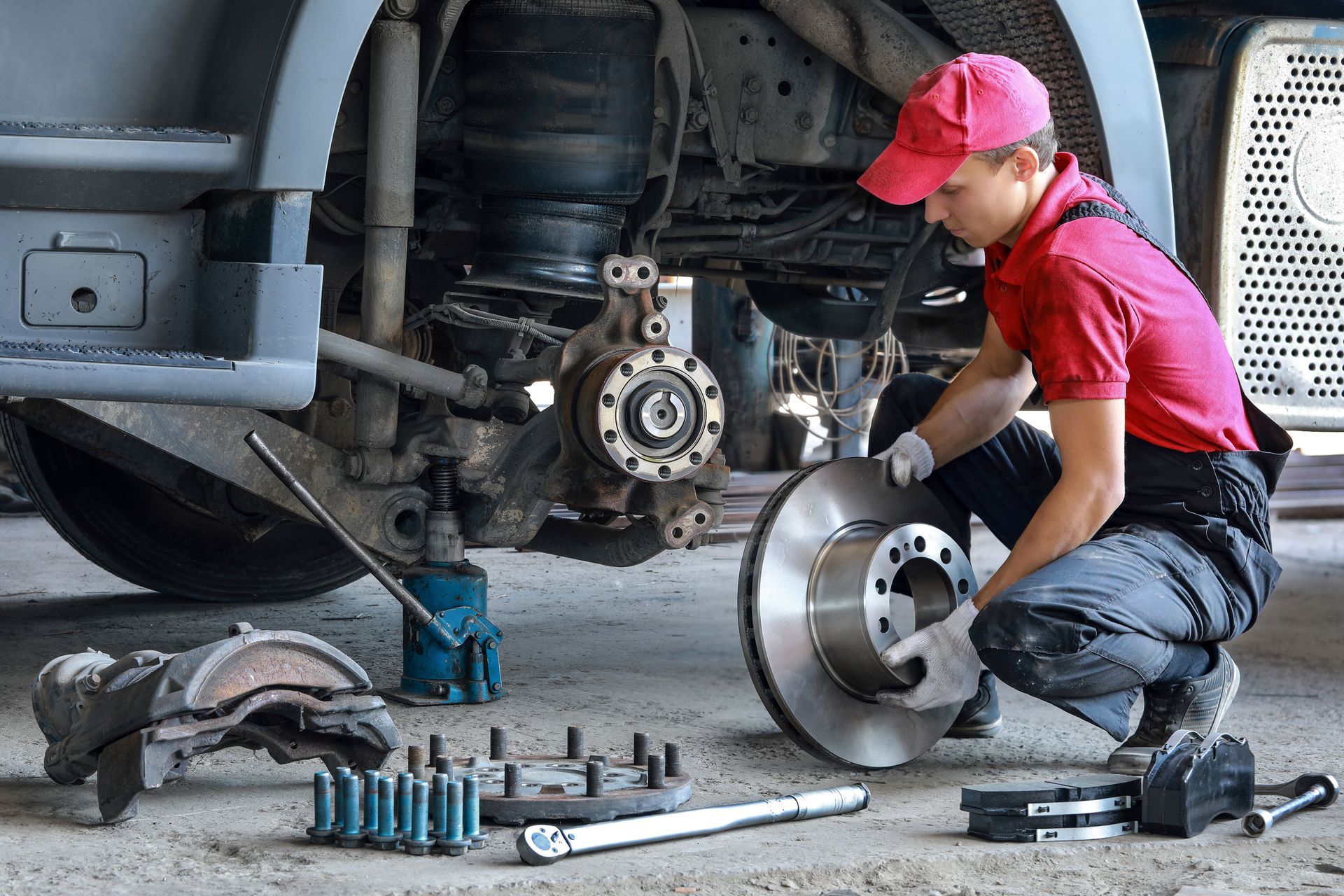
Your vehicle's stopping power and handling performance directly affect daily driving safety and ride comfort. Brake components, including pads, rotors, calipers, and hydraulic lines, endure immense friction and heat every time you slow down. Knowledgeable auto mechanics perform thorough brake inspections to measure pad thickness, evaluate rotor resurfacing needs, and verify that caliper pistons compress evenly. Addressing squeaking noises or soft brake pedals promptly prevents complete pad wear that damages expensive steel rotors. Additionally, flushing contaminated, moisture-laden brake fluid at specified service intervals preserves hydraulic pressure, prevents internal line corrosion, and ensures crisp pedal responsiveness during sudden emergency stops.
Suspension systems also undergo constant stress from potholes, road debris, and uneven terrain. Worn shocks, leaking struts, loose ball joints, and damaged control arm bushings compromise handling stability and cause uneven tire wear. Professional technicians evaluate steering rack play, check wheel alignment, and replace worn suspension hardware to maintain a smooth, controlled ride. Upgrading worn shocks and struts reduces body roll during sharp turns, restores proper nose-dive resistance while braking, and prevents harsh road vibrations from transferring directly into the cabin. Keeping steering and suspension components in peak condition restores precise vehicle handling and protects structural frame health.
Inspecting Ignition and Cooling Systems to Prevent Overheating
An engine operating outside its normal temperature range risks catastrophic failure from warped cylinder heads, blown head gaskets, or cracked engine blocks. The cooling system uses a radiator, water pump, thermostat, and cooling hoses to circulate coolant and dissipate excess combustion heat. Professional auto mechanics evaluate cooling system pressure, inspect rubber hoses for soft spots or cracks, and replace aging water pumps to prevent sudden coolant leaks. Flushing old, acidic coolant restores vital corrosion inhibitors, preventing internal rust accumulation that clogs delicate radiator passages and causes unexpected overheating during hot summer months or heavy towing conditions.
The ignition system plays an equally crucial role in maintaining smooth combustion, fuel efficiency, and low tailpipe emissions. Worn ignition coils, damaged spark plug wires, or fouled spark plugs can lead to engine misfires, rough idling, and lost acceleration power. According to AAA, spark plugs should be inspected yearly and replaced based on the manufacturer's schedule, which is often every 30,000 miles. Replacing worn ignition components promptly ensures complete fuel burn, protecting expensive catalytic converters and mufflers in your exhaust system from unburned fuel contamination.
Servicing Transmissions and Drivetrains for Seamless Performance
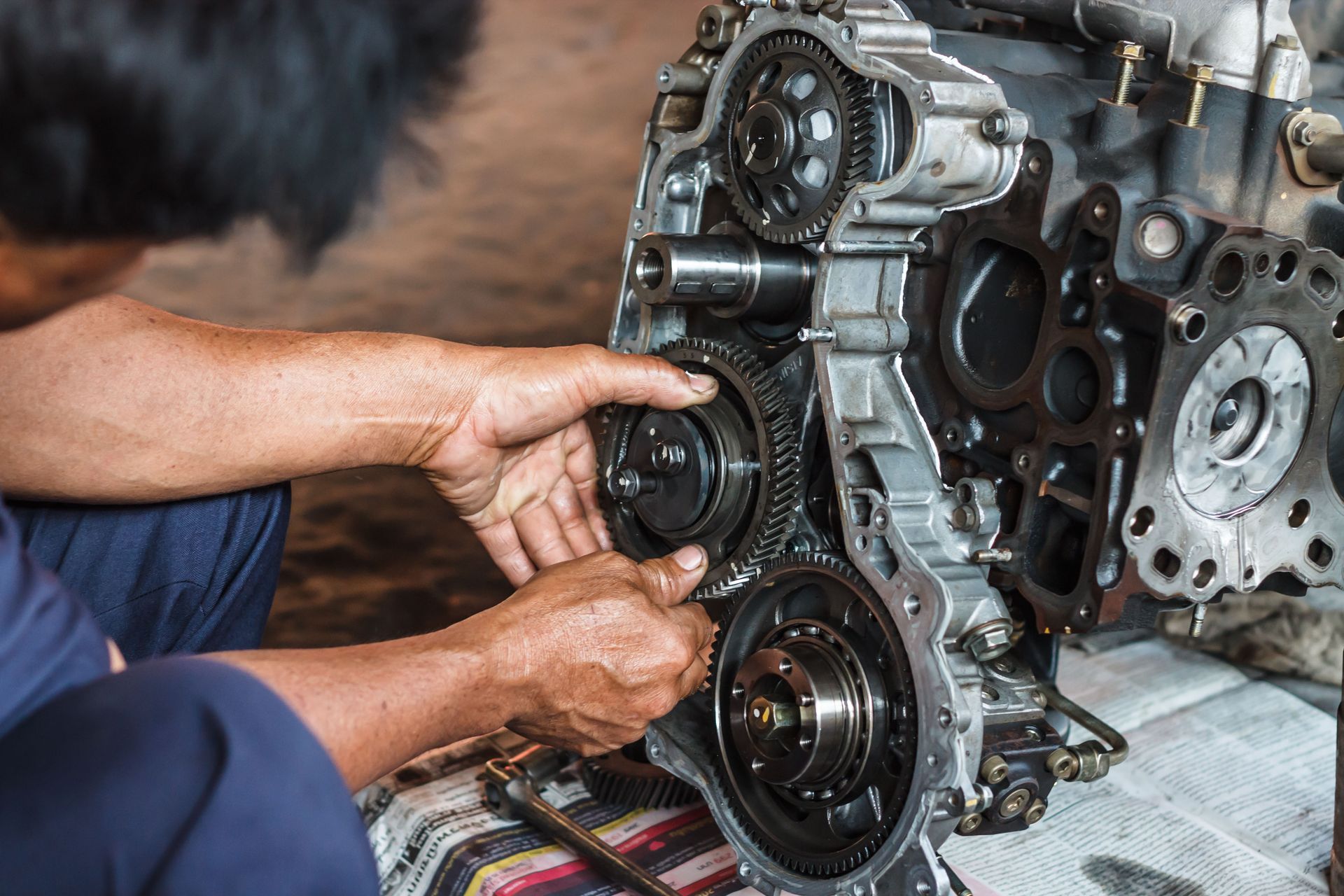
The transmission and drivetrain assembly transfers raw power from the engine directly to the drive wheels, allowing smooth gear shifts and steady acceleration. Whether your vehicle utilizes a manual transmission, an automatic transmission, a clutch system, or a four-wheel-drive transfer case, proper fluid maintenance is vital. Skilled auto mechanics inspect drivetrain components, including CV axles, universal joints, differentials, and drive shafts, for signs of seal leakage or mechanical play. Catching cracked rubber axle boots early prevents road grit from destroying delicate constant-velocity joints, saving you from expensive full-axle replacements down the road.
Flushing old transmission fluid at recommended intervals removes friction particles that accumulate as internal clutch packs wear down. Delaying transmission service can lead to delayed gear engagement, slipping gears, harsh shifting, and eventual transmission failure. Fresh fluid restores optimal hydraulic pressure and heat dissipation throughout the valve body. Routine drivetrain inspections ensure that power flows efficiently to all wheels, improving traction, reducing drivability hesitation, and extending the operational life of your entire driveline setup.
Maximizing Tire Life and Fuel Efficiency Through Regular Inspections
Tires are the only point of contact between your vehicle and the road, making proper tire care central to overall safety, fuel economy, and stopping distance. Maintaining correct tire pressure prevents uneven tread wear, reduces rolling resistance, and lowers fuel consumption during daily commutes. Expert technicians conduct regular tire rotations, tread depth measurements, and dynamic wheel balancing to maximize usable tire life and deliver a quiet, stable ride.
Systematic wheel alignments ensure that all four tires roll in perfect parallel alignment with the vehicle centerline. Driving over curb impacts or deep potholes can knock steering geometry out of spec, causing premature tire scrubbing and severe pulling to one side. Combining tire service with complete safety inspections allows you to spot minor suspension wear or alignment drift before it ruins expensive tread sets.
Partnering with experienced vehicle care professionals ensures your car stays safe, efficient, and reliable for years to come. From basic fluid services to complex diagnostic evaluations, dedicated maintenance protects your financial investment against premature mechanical breakdowns. For comprehensive auto repair, engine diagnostics, brake service, and preventative care tailored to your vehicle, contact the expert team at HDS Automotive today.

Share On: